

Single-Hung vs Double-Hung Windows: Which Is Better for Florida Homes?
Aug 13, 2026
Choosing the wrong window style for a Florida home costs more than money. It costs comfort, efficiency, and years of maintenance headaches in a climate that punishes poor decisions faster than almost anywhere else in the country.
Single-hung and double-hung windows look nearly identical from the street. Under the surface, they perform differently in ways that matter specifically to homeowners dealing with salt air, storm seasons, and year-round heat.
What Actually Separates These Two Window Styles
Both window types share the same basic vertical sliding design. The difference comes down to which sashes move.
A single-hung window has one fixed sash at the top and a movable sash at the bottom. The only way to ventilate is to slide that lower sash upward.
Both sashes of a double-hung window move independently. You can open the top, the bottom, or both at once, which changes how air moves through the room and makes the glass easier to clean.
How Florida’s Climate Changes the Calculation
Florida’s heat and humidity make ventilation a practical concern, not a design preference. Poorly ventilated rooms trap moisture, and trapped moisture leads to mold, warped trim, and degraded indoor air quality over time.
Double-hung windows offer a ventilation advantage that matters in this climate. Opening the top sash allows hot air to escape from the upper portion of the room while cooler air enters from below, a passive airflow effect that can take some pressure off your cooling system during the warmer months.
Single-hung windows only draw air in from the bottom. That works reasonably well in milder climates, but in a Florida summer it limits your ability to move air through the home without relying entirely on mechanical cooling.
Window Airflow for Florida Homes: Why It Matters More Here
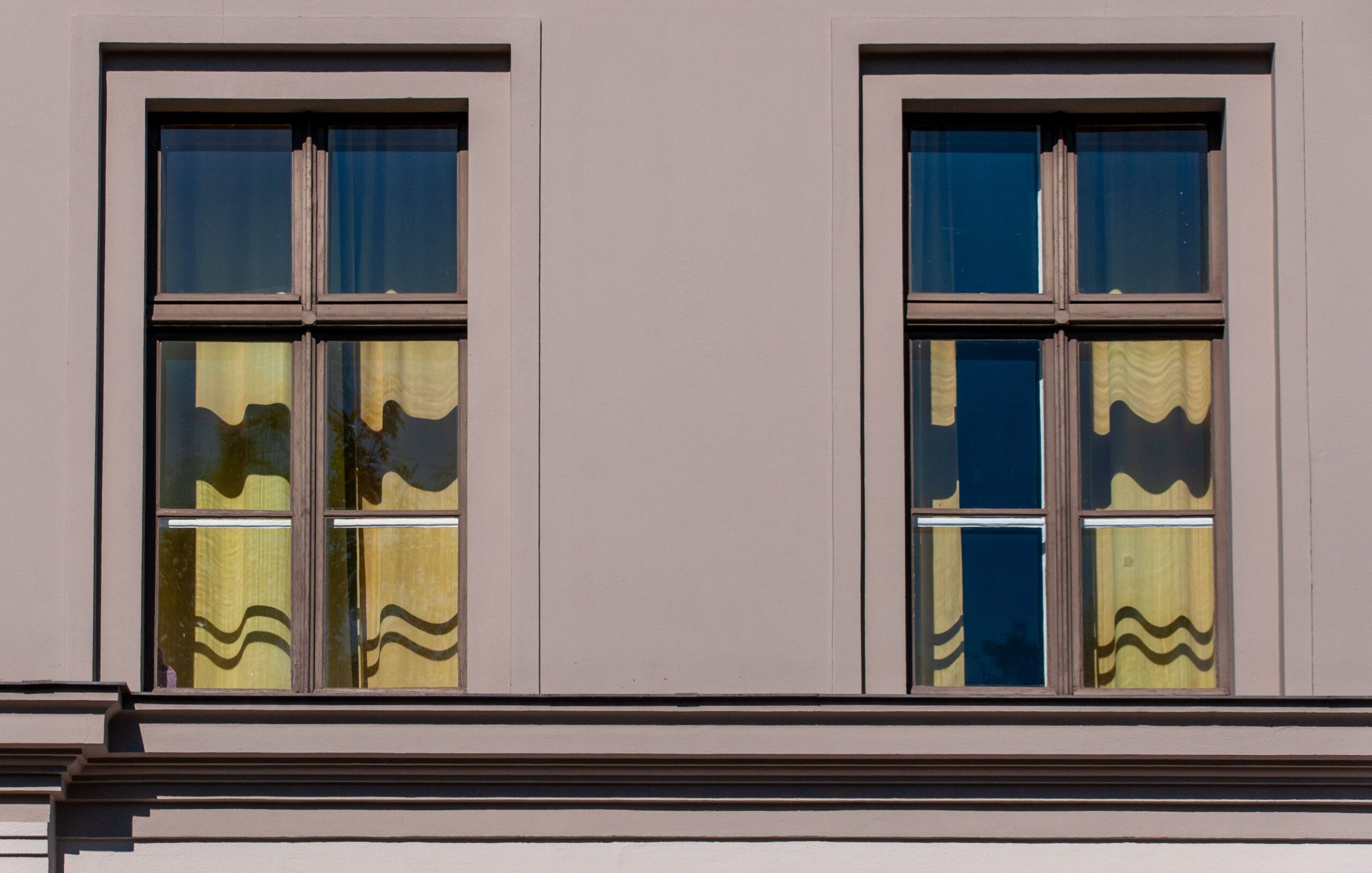
Florida homes deal with elevated indoor humidity from late spring through early fall. Consistent airflow helps reduce condensation buildup on walls, ceilings, and window frames, all of which degrade faster under persistent humid conditions.
With double-hung windows, you can create a more intentional ventilation loop by opening the top sash on one side of a room and the bottom sash on the opposite side. Single-hung windows make that kind of cross-ventilation strategy harder to set up.
For screened porches, bedrooms, and kitchens where moisture accumulates quickly, the difference in window functionality is worth factoring into your replacement window decision. According to the Florida Building Commission, proper ventilation is a recognized factor in maintaining healthy indoor environments across Florida’s climate zones.
Maintenance Differences Under Florida Conditions
Salt air from coastal areas, heavy seasonal rain, and intense UV exposure all degrade window hardware faster in Florida than in northern states. That makes ease of maintenance a real factor in which window type holds up over the long term.
Double-hung windows tilt inward on both sashes, so you can clean both sides of the glass from inside the home. Single-hung windows require outdoor access to reach the fixed upper sash, which is manageable on the ground floor but genuinely inconvenient on second stories.
Double-hung frames carry more moving components, which means more hardware that can wear over time. Single-hung designs are mechanically simpler, and fewer moving parts generally means less to service across the life of the window.
Window Cost Comparison: Single-Hung vs Double-Hung for Florida Replacements
The right window investment depends on weighing upfront price against long-term performance across the full lifespan of the product.
Factor | Single-Hung | Double-Hung |
Upfront cost | Lower | Higher |
Price variables | Frame material, glass package, brand, installation complexity | Same variables apply |
Long-term value | Simpler hardware, lower initial outlay | Improved airflow may reduce cooling demand over time |
Energy performance | Depends on insulation, glass type, and usage | Same dependencies apply |
Requesting itemized quotes for both styles gives you a clearer picture of the real cost difference for your specific home, since price variables shift significantly depending on what you choose.
Impact-Rated Windows and Storm Season
Any window comparison for Florida homes has to account for hurricane season. Both single-hung and double-hung windows are available in impact-rated versions designed to meet Florida Building Code requirements for wind resistance and debris protection.
Impact-rated glass adds cost to either style and can reduce the need for temporary storm protection during hurricane season. That said, whether impact glass fully replaces the need for shutters or other opening protection depends on your specific local code, insurance requirements, and the impact rating of the product. Confirm those details with a licensed installer before making assumptions about what your installation will or will not require.
From a structural standpoint, the performance difference between single-hung and double-hung windows in an impact-rated configuration is minimal. Frame material, glass type, and impact rating will affect long-term durability more than the hung style alone.
Which Window Type Works Better for Florida Homes?
For most homes across Central Florida and the surrounding region, double-hung windows are the stronger long-term choice. The ventilation flexibility, easier interior cleaning, and airflow management advantages align well with the conditions local homeowners face for most of the year.
Single-hung windows remain a practical option where budget is the primary constraint or where mechanical simplicity is a priority. Ground-floor installations in less humid inland areas can be a reasonable fit for single-hung units without meaningful performance trade-offs.
The right window style for a specific home depends on the room, the floor level, your ventilation goals, and how much ongoing maintenance you want to manage over the years ahead.
FAQ
Are double-hung windows worth the higher cost in Florida?
Improvements in airflow management and easy maintenance justify the upfront investment for many Florida homeowners, especially in multi-story homes or rooms that get humid quickly.
Which window type is easier to maintain in Florida’s humid climate?
Double-hung windows tilt inward on both sashes, allowing both panes to be cleaned from inside the home. Single-hung windows require outdoor access to reach the fixed upper sash, which adds effort on anything above the ground floor.
Do both window types come in impact-rated versions for storm protection?
Yes. Both types have Florida Building Code-compliant impact-resistant versions. Talk to a licensed installer to find out if a product meets local code, insurance, and opening protection standards.
Which window style handles Florida’s humidity better?
Double-hung windows offer more airflow control because both sashes open. That flexibility makes it easier to manage air movement through a room, which helps with moisture management during Florida’s more humid months.
How do I know which window is right for my home?
The best starting point is a consultation with a local installer who understands Florida’s climate zones, building codes, and product options.
Talk to a Local Window Expert Before You Decide
The right window for your home is not something a comparison chart can settle on its own. It depends on your floor plan, your ventilation habits, your proximity to the coast, and the specific rooms you are replacing.
Polk County Window and Door is a family-owned window and door company based in Lakeland, Florida. The team installs custom windows and doors throughout the region and brings the kind of hands-on attention to every project that larger operations tend to skip.
Reach out to Polk County Window and Door to talk through your options with a team that knows Florida homes and can give you a straight answer on what will perform best for your specific situation.
